
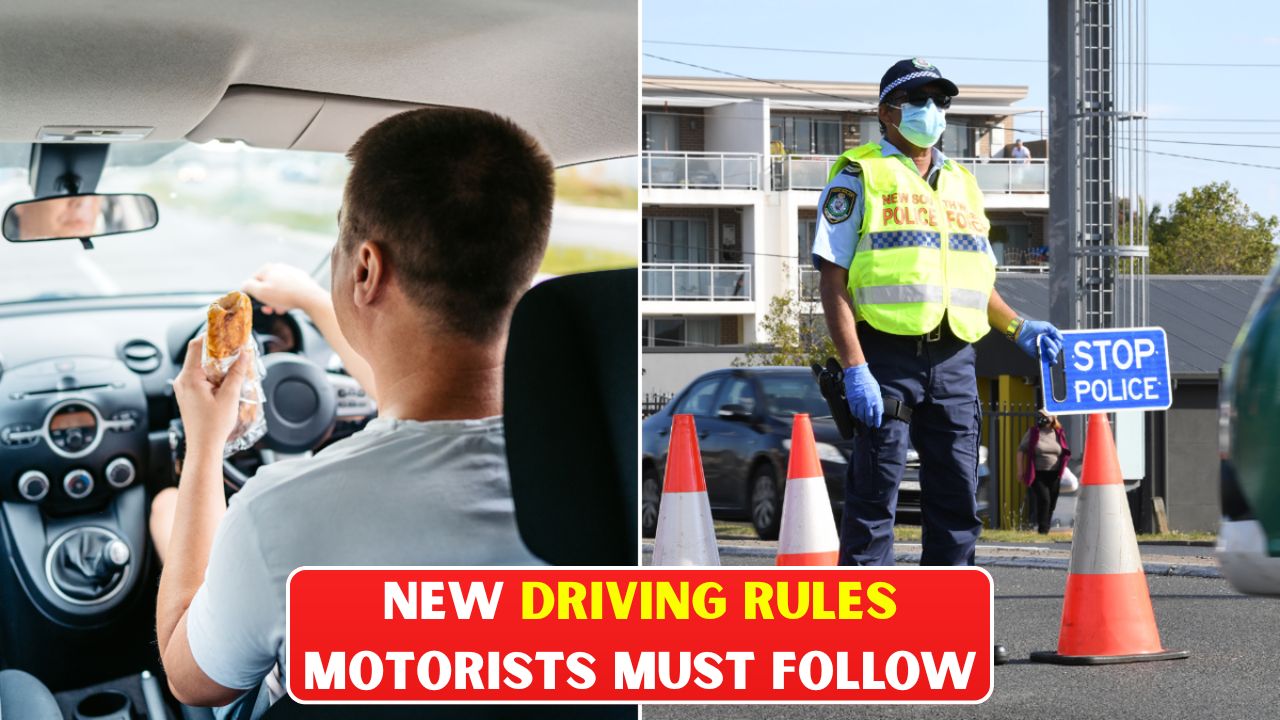
New National Driving Regulation 1 April 2026: Personal Independence Payment, commonly known as PIP, is an important financial support system for people living with long-term health conditions or disabilities. It helps cover extra daily costs such as personal care, mobility, and essential needs. This benefit allows individuals to maintain independence and manage their routine life with more confidence. As living expenses continue to rise, PIP remains a vital source of support for many households.





About us
msmetalenterprises.in is an independent, privately managed informational platform dedicated to providing updated news and resources related to government exams, job notifications, and public schemes.
msmetalenterprises.in is not connected, affiliated, or associated in any capacity with institute or any government department, statutory body, or official authority. All content published herein is gathered from publicly available sources and is meant solely for informational purposes.

Disclaimer
The content on msmetalenterprises.in is prepared based on credible sources such as official publications, press releases, and government websites. We adhere to strict editorial standards to ensure accuracy and reliability. However, the information provided is for general informational purposes only and does not constitute professional advice. We do not guarantee the completeness, accuracy, or suitability of the content for any specific purpose. Users are advised to independently verify any information before relying on it. For expert guidance, please consult a qualified professional.
© Default Site • All rights reserved